
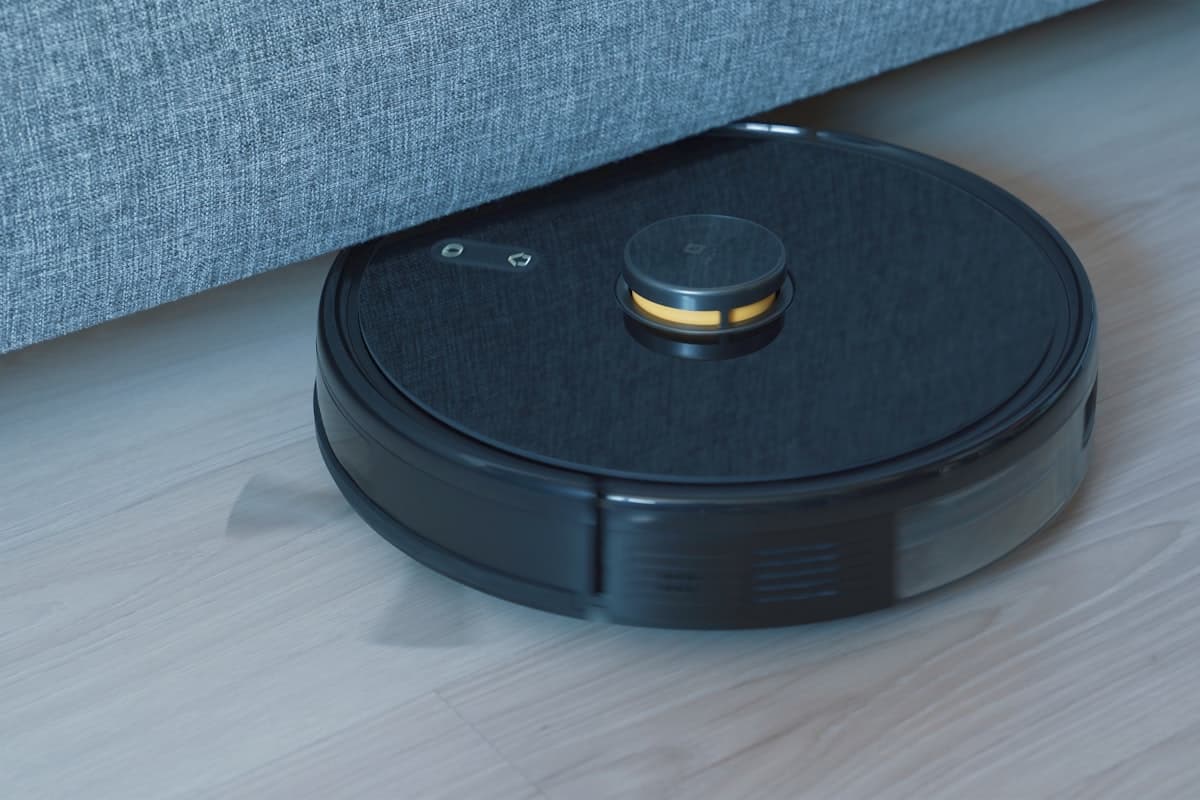
Commercial cleaning is labour-intensive, repetitive, and increasingly difficult to staff. Autonomous floor scrubbing robots are addressing this gap by delivering consistent, data-driven cleaning across airports, shopping centres, hospitals, and warehouse facilities.
The Staffing Challenge
Facility management companies face chronic staffing shortages for cleaning roles. Turnover rates in commercial cleaning exceed 200% annually in some markets. Training is constant, quality is variable, and coverage during off-hours is difficult to maintain.
How Autonomous Scrubbers Work
Robots like the Avidbots Neo 2 map their environment during an initial setup phase, then autonomously plan and execute cleaning routes. The robot dispenses cleaning solution, scrubs the floor, and vacuums the dirty water in a single pass — exactly like a ride-on scrubber, but without the operator.
The robot navigates around obstacles, slows down near people, and generates detailed reports showing exactly which areas were cleaned, when, and to what standard.
Key Advantages
- Consistency — the robot cleans every square metre to the same standard, every time
- Off-peak operation — robots can clean overnight or during low-traffic periods
- Data and reporting — cloud dashboards show cleaning coverage maps, water usage, and runtime
- Reduced chemical usage — precise dispensing systems use only what's needed
- Staff redeployment — human cleaners can focus on detail work, restrooms, and tasks robots can't handle
Where Autonomous Scrubbers Excel
The technology works best in:
- Large, open floor areas (5,000+ sq ft)
- Hard, flat surfaces (polished concrete, tile, vinyl, epoxy)
- Spaces with predictable layouts (airports, malls, hospitals)
- Facilities that operate extended hours (cleaning during off-peak is the sweet spot)
ROI Calculation
A commercial scrubber robot typically costs £40,000–£80,000 or is available on a monthly lease of £1,600–£3,200. Compare this to the cost of an operator (£28,000–£40,000/year salary plus benefits, training, and turnover costs) and the robot often pays for itself within 12–24 months — while delivering more consistent results.