
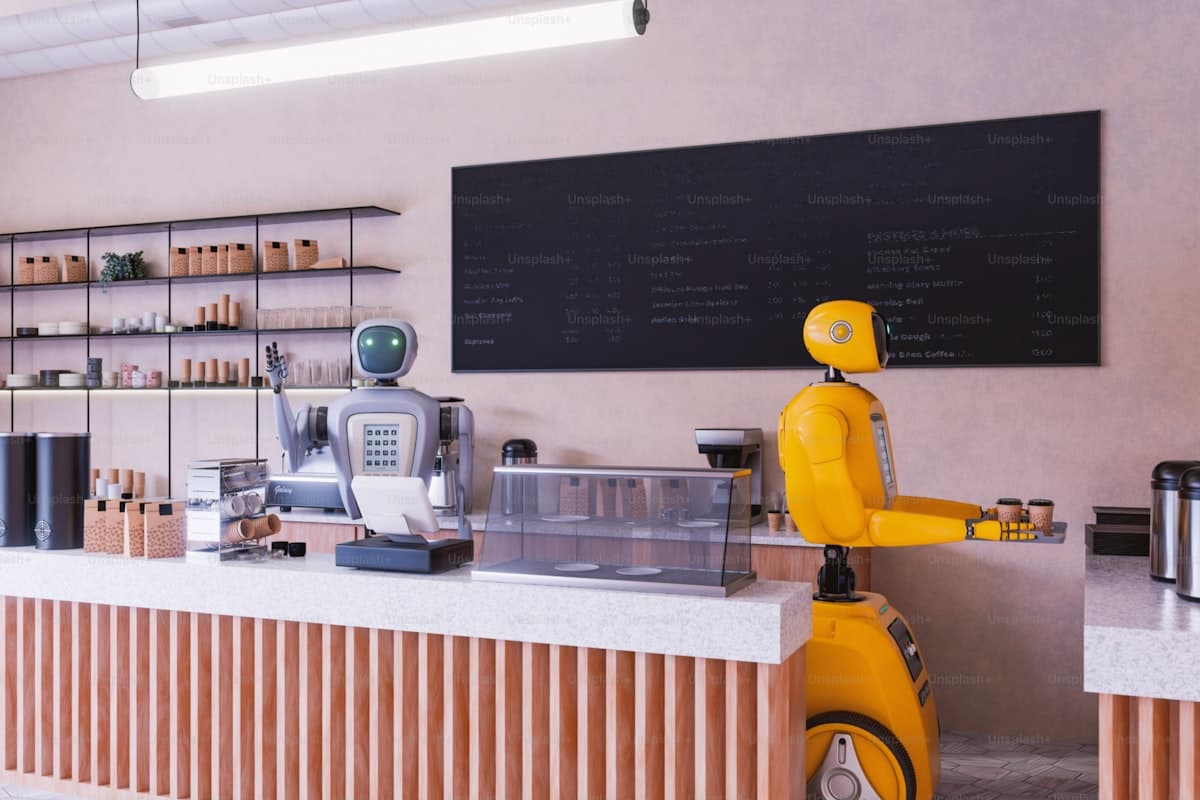
The restaurant industry faces a persistent challenge: finding and retaining enough staff to deliver a consistent dining experience. Service robots like the BellaBot are emerging as a practical solution — not to replace servers, but to handle the repetitive, physically demanding task of running food from kitchen to table.
The Problem: Repetitive Trips
In a typical full-service restaurant, a server walks 5–10 kilometres per shift. A significant portion of that distance is food running — carrying plates from the pass to the dining room and returning with empty dishes. These trips are physically taxing, time-consuming, and don't require the interpersonal skills that make a great server.
How Robot Food Runners Work
A food delivery robot like BellaBot operates as a mobile tray system. Kitchen staff load plates onto the robot's trays at the pass, assign a table number, and the robot navigates autonomously to the correct table. The server at the table then presents the dishes to the guest.
The key insight is that the robot handles the transport while the human handles the service. Guests still get a personal touch when their food arrives — they just don't see the back-and-forth trips that made it happen.
Measured Results
Early adopters report consistent improvements:
- 30–40% reduction in food delivery time from kitchen to table
- 15–25% increase in table turnover during peak hours
- Staff satisfaction improves as the most physically demanding task is automated
- Novelty factor drives social media mentions and foot traffic in the first 3–6 months
Cost Analysis
A typical food-running robot costs £12,000–£16,000 to purchase or £400–£650/month to lease. Compare this to the fully loaded cost of a food runner employee (£2,000–£2,800/month including wages, benefits, and turnover costs), and the ROI case becomes clear — especially for restaurants operating two or more shifts per day.
Implementation Tips
- Start with a single robot in your busiest section during peak service
- Train staff before launch — servers need to understand the handoff workflow
- Map your floor plan carefully, removing obstacles and ensuring clear pathways
- Communicate with guests proactively — a table tent or brief mention from the host prevents confusion
- Measure before and after — track food delivery times, steps walked, and table turnover to quantify ROI